
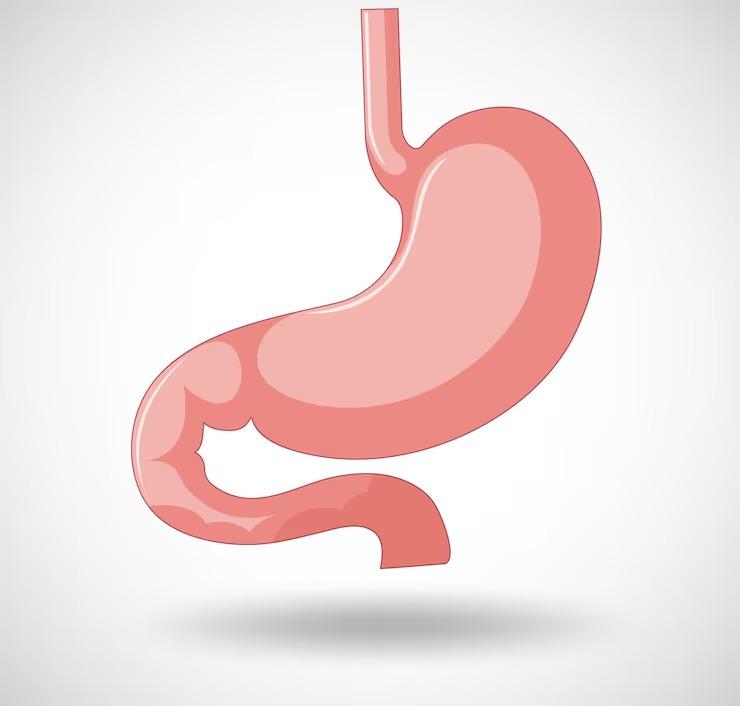
Gastric balloon: Non-surgical obesity treatment using a gastric balloon
Excess weight poses a significant problem for many people, especially given the serious complications it can cause. This has led to a search for weight loss techniques with minimal side effects, and one of the first such procedures was the gastric balloon. Continue reading this article to learn more about this procedure.
What is the gastric balloon procedure?
The gastric balloon procedure is a non-surgical weight loss option that involves placing a balloon filled with silicone salts in the stomach. The balloon acts as a restrictive device and promotes a feeling of fullness because it occupies space within the stomach. Therefore, this procedure helps address some obesity-related issues. The balloon remains in the stomach for up to six months, but the entire program should last 12 months.
The gastric balloon... Why use this procedure?
Primarily, this procedure is used to address obesity and help patients lose weight, preventing the risk of serious weight-related health problems such as:
Gastroesophageal reflux disease (GERD).
Heart disease or stroke.
High blood pressure.
Sleep apnea.
Type 2 diabetes.
How is the gastric balloon procedure performed?
Each balloon is folded into a capsule with a thin catheter attached.
The patient must swallow the capsule with a glass of water while the specialist inserts the catheter.
The specialist then uses ultrasound guidance to confirm the capsule is in the stomach.
Gas or silicone salts are then pumped into the balloon until it inflates.
The catheter can then be easily removed.
Finally, the patient can return to their daily activities immediately after the procedure.
This procedure typically takes about 12 minutes to complete.
There are three types of balloons approved by the FDA: Obalon, Orbera, and ReShape balloons.
What are the results of the gastric balloon procedure?
This procedure is very beneficial and provides amazing results, some of which include:
It can make the patient feel full faster, leading to reduced food intake.
The balloon also alters the hormone levels that control appetite.
This procedure can result in a loss of approximately 7% to 15% of body weight over the following six months.
It prevents the risk of weight-related health problems.
The patient becomes more confident after weight loss.
Who are the eligible patients for the gastric balloon?
Not all patients are eligible for this procedure. Here are some criteria a patient should meet:
They must be an adult aged 22 or older.
They must have a body mass index (BMI) between 30 and 40. They must not have had previous stomach or esophageal surgeries.
They must be willing to participate in a medically supervised nutrition program.
What are the risks of gastric balloons?
There are some adverse effects and risks associated with gastric balloons, such as:
Pain and nausea, which affect about one-third of patients.
In rare cases, it can cause nausea, vomiting, and abdominal pain.
If the balloon deflates, it may cause a blockage requiring further surgery.
Over-inflation of the balloon.
Stomach ulcers.
Acute pancreatitis.
Is gastric balloon surgery common?
With the tremendous advancements in medicine and the growing awareness of health, the number of gastric balloon procedures performed has increased.
Finally, after discussing this remarkable procedure and its promising results, would you recommend it?