
Gastric sleeve surgery (gastrectomy): procedure, risks, results.
We've all heard about gastric sleeve surgery and seen its amazing weight-loss results, but the term is still unclear to many. So, what exactly is this procedure? What are its details and results? We'll answer many questions on this topic... Let's learn together.
What is gastric sleeve surgery?
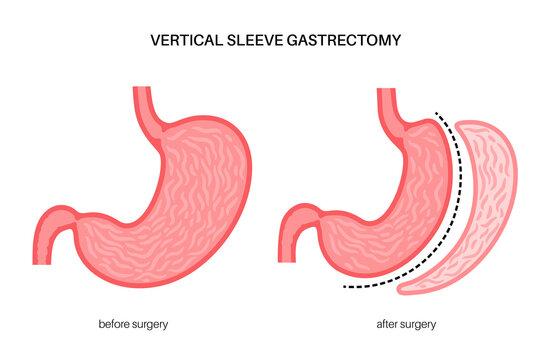
Gastric sleeve surgery, also called vertical sleeve gastrectomy, is one of the most important types of bariatric surgery known today. It's always performed as a minimally invasive procedure using laparoscopic techniques. This involves inserting a long, thin tube into the abdomen through several small incisions. This tube contains a light, a small camera, and various instruments. The stomach is then divided into two unequal-sized portions.
Approximately 80% of the outer curved part of the stomach is cut and removed. The remaining portion is then joined together to create a banana-shaped and sized stomach, also known as a sleeve.
The patient can usually go home within 2-3 days after this surgery.
Why undergo gastric sleeve surgery?
Gastric sleeve surgery is primarily used to address obesity. It helps patients lose excess weight and prevent the risk of developing life-threatening weight-related health problems, including:
High blood pressure and high cholesterol.
Heart attack.
Other heart conditions.
Is gastric sleeve surgery common?
With the tremendous advancements in medicine, the cultural shift in people's lives, and the impressive results achieved, the number of patients undergoing gastric sleeve surgery has increased significantly in the last two decades.
How does gastric sleeve surgery help patients lose weight?
This remarkable procedure helps patients lose weight by achieving the following:
The stomach becomes much smaller, so the patient feels full sooner and stops eating.
Some of the removed portion of the stomach produces a hormone called ghrelin, which is linked to feelings of hunger. Therefore, the patient's hunger is reduced after the surgery.
After all these changes, the amount of food consumed becomes very low, and calorie intake decreases.
Who are the ideal candidates for gastric sleeve surgery?
Gastric sleeve surgery is typically only performed after a patient has tried unsuccessfully to lose weight through diet and exercise.
Therefore, not all patients are candidates for this procedure. Here are some criteria a patient should meet:
A body mass index (BMI) of 40 or higher (severe obesity).
A BMI of 35-39 with serious weight-related health problems.
In rare cases, it is performed on patients with a BMI of 30-34 with high-risk weight-related health problems.
The patient must be willing to participate in a medically supervised diet program.
What are the results of gastric sleeve surgery?
Patients can expect to lose at least 50% of their excess weight within 18 to 24 months after gastric sleeve surgery, and some may lose 60-70%.
Weight loss improves the patient's quality of life.
Patients often experience increased self-confidence after losing weight. Preventing the risk of weight-related health problems.
What are the risks of gastric sleeve surgery?
Gastric sleeve surgery is considered a relatively safe procedure, but like all surgical procedures, there are some risks to the patient, including:
Bleeding.
Leakage is the second leading cause of death after bariatric surgery, with the leakage rate after laparoscopic gastric sleeve (LSG) ranging from 1.1% to 5.3%.
Some blood clotting problems, such as deep vein thrombosis (DVT).
Some lung and breathing problems.
Some problems with gastroesophageal reflux disease (GERD).
Vitamin deficiencies.
Finally, after we've talked about this wonderful procedure and its promising results, would you recommend it to people?