
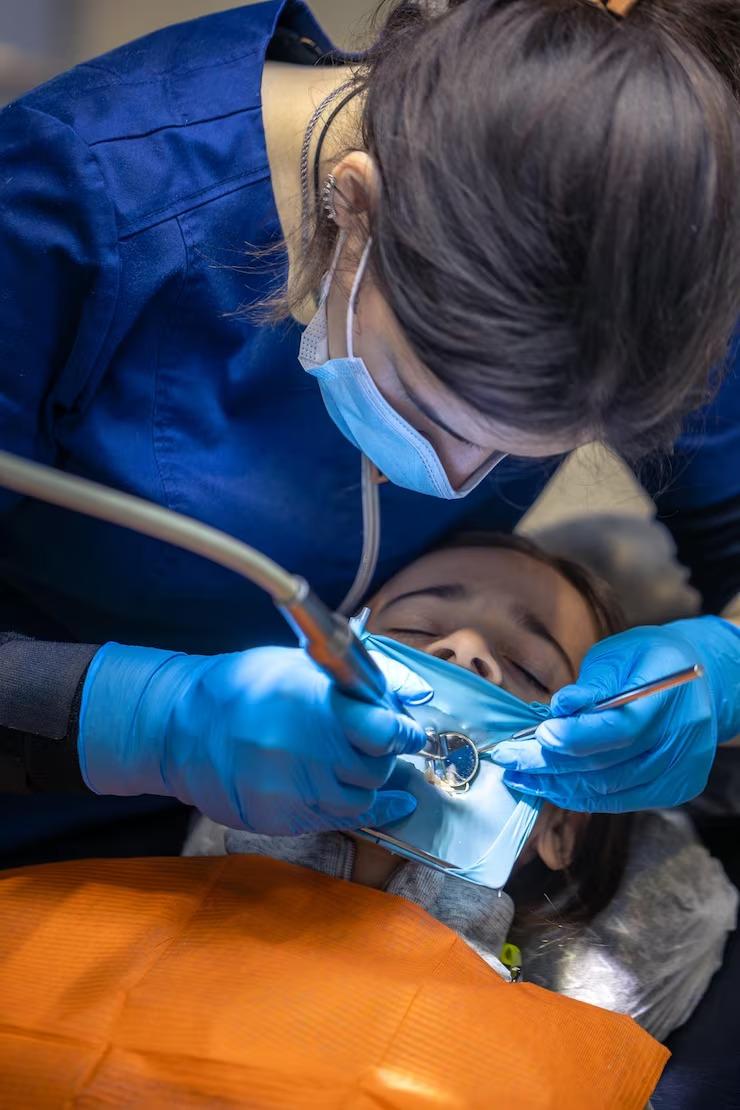
Dental implant surgery: reasons, procedure, benefits, and risks
Dental implant surgery is a popular procedure worldwide today. Over the decades, this procedure has undergone significant development, with many researchers delving into its details and information in an effort to improve it, achieve optimal dental care, and restore patients' smiles. So, what exactly is dental implant surgery? What are its risks and results? Is it truly beneficial and effective? Let's explore its specifications and learn more about this remarkable technique.
What is dental implant surgery?
Dental implant surgery is a procedure in which we replace the root of a damaged or missing tooth with metal implants surgically inserted into the jawbone at the site of the missing or damaged tooth. This procedure provides a strong foundation for removable replacement teeth and supports the accompanying artificial teeth, crowns, and bridges.
What are dental implants made of?
Dental implants consist of the implant body, which is surgically inserted into the jawbone at the appropriate location, and the implant abutment, which is usually attached to the body by an abutment screw. The abutment extends into the mouth through the gums, and a porcelain crown is placed on top to fit the occlusal surface.
All these materials are made of titanium so that they do not decompose like natural teeth and will not slip due to proper fixation and support the bridges performed on their basis.
When do we perform dental implant surgery?
Patients may suffer from various dental problems or diseases, or they may opt for this procedure for aesthetic reasons. Here are some situations where we use dental implant techniques:
The patient must have healthy oral tissues.
- They have one or more missing teeth.
- They are unable to wear dentures.
- To improve quality of life.
- To restore aesthetic appearance.
- To improve speech and articulation.
Is dental implant surgery worthwhile?
There are many advantages to dental implant surgery. Here are some of them:
- Eating is easier and chewing is restored.
- Prevents jawbone atrophy due to bone loss.
- Improves patients' appearance and helps maintain a beautiful smile.
- Dental implants last for many years because they are very durable and resistant to changes.
- They improve oral health and prevent certain diseases. Some risks may occur with dental implant procedures, including:
Implants may cause damage to surrounding structures such as the gums and natural teeth during the procedure.
Injuries may occur during surgery.
Infections may occur at the implant site.
Implants may cause damage to surrounding nerves or sinus problems, leading to pain and discomfort.
In some cases, implant failure may occur due to systemic infection or delayed healing in patients who smoke. Some problems with the occlusal surface may occur due to unprofessional treatment or an inexperienced dentist.
How successful is this procedure?
The success rate of this procedure can vary, depending on oral health and the location of the implant in the jaw. However, success rates generally reach 98% with professional care and attention to oral hygiene.
How do we care for our oral health after dental implants?
We should care for our oral health as if these implants were real teeth. This includes brushing thoroughly, rinsing with an antibacterial mouthwash, flossing in hard-to-reach areas, and having regular dental checkups.
Finally, after discussing this wonderful procedure and its promising results, would you recommend it to others?